

Prevention Weak
Prevention Science Versus Prevention Theater

National Prevention Week begins in just a couple of days, on May 10th. It is a time to celebrate and put a spotlight on this amazing field, that does so much, with so little, to support and raise up youth, families, and communities. However, in 2026, Prevention Week finds itself amidst what is perhaps the most challenging times the field has ever faced.
Yet, the Trump administration tries to talk a good game about supporting prevention, including primary prevention. Most recently it has professed to be prevention champions in the newly released 2026 National Drug Control Strategy. At first glance, and to those not in the field, what they purport to support sounds nice. But one doesn’t need to dig very deep to see just how shallow, and hollow, this talk is.
The full 2026 National Drug Control Strategy can be found at this link: https://www.whitehouse.gov/releases/2026/05/2026-national-drug-control-strategy-released/ Earlier this week, the White House posted a fact sheet summarizing the strategy. Let’s walk through the section on prevention together.
Before we get there, a note about placement, unsurprisingly prevention doesn’t show up until after several sections outlining President Trump’s brutal and violent War on Drugs. Moreover it is clear this administration holds in higher regard faith-based approaches to addiction prevention, treatment, and recovery, than science-based approaches. I don’t want to side track this article, so for now I will just say that there of course is space for faith to have a role in addiction services, but federally-funded services still need to be grounded in science and evidence.
The Farce of the Deal
Let’s delve into the Strategy’s plan for prevention, from the fact sheet:
CREATING A DRUG-FREE AMERICA AS A SOCIAL NORM: America’s citizens are our most precious resource. Protecting them from illicit drugs and teaching healthy living through primary prevention are essential to defeating the drug crisis and building a strong future.
In this day and age, who knows if this was written by an actual human being, or an AI bot trained to create MAGA-coded prose. It is a statement that could sound reasonable to the average American but from twenty years in the field, it read to me as arrogantly naive, or naively arrogant. The other issue is, unsurprisingly, we are bringing back the stigma of substance use disorders under this administration.
But here’s the thing: just in the past month actions of the Trump administration are counterfactual to this statement.
In late April, Trump’s DOJ rescheduled medical marijuana, moving it from Schedule 1 to Schedule III. This pertains to both FDA-approved medicines derived from marijuana, as well as the state-regulated medical marijuana dispensaries. We can debate if this was the right or wrong move, but objectively, this will promote greater access to a (federally) illicit substance. And given how loosely medical cannabis is regulated in some states, including my home state of Maine, the increased access will be significant.
Just this week in May, President Trump’s FDA approved fruit-flavored vape products. Yes, the tobacco and vape companies will profess these products are for adults, but we know the rich tradition of these companies lying through their teeth. This move was apparently directed by President Trump himself. As Fortune reported:
Yet, following a meeting with a key industry lobbyist, Trump changed his tone on the topic, the Washington Post reported. During his 2024 election campaign, Trump also received donations from a subsidiary of Reynolds American, the nation’s second-biggest tobacco company, which sells vape products under the brand Vuse, the outlet reported.
To recap, the administration wants you to think it cares about protecting “our most precious resource” while cutting deals to companies so they can market addictive products that appeal to the youth of America. Sorry, not buying it.
Expanding Prevention By….Cutting It?
Now moving on to the first two bullets of this strategy:
Recommends effective primary prevention programs and increases the implementation of evidence-based prevention strategies.
Establishes new partnerships with organizations that support healthy youth and expand primary prevention.
This fact sheet was clearly written in a way that assumed (hoped) Americans wouldn’t bother to find and read the proposed 2027 budget for the Department of Health and Human services. I genuinely laughed out loud when I read these two bullets. Because while the administration talks about “expanding primary prevention” and “implementing evidence-based prevention strategies,” their own budget proposal would dismantle much of the federal prevention infrastructure that communities across this country rely upon.
Here is the truth of what the Administration wants to do to addiction services and our national prevention infrastructure:
Elimination of SAMHSA (Substance Abuse and Mental Health Services Administration) as an independent agency, folding its functions into a new entity called the “Administration for a Healthy America” (AHA), weakening dedicated federal leadership for prevention and behavioral health.
Proposed cut to the Drug-Free Communities (DFC) Support Program from approximately $109 million to $70 million — a reduction of roughly 36% for one of the nation’s primary community-based prevention funding streams.
Elimination of CARA enhancement funding tied to DFC coalitions, reducing support for local opioid and stimulant misuse prevention efforts.
Elimination of SAMHSA’s Programs of Regional and National Significance (PRNS), which fund prevention, overdose response, recovery supports, workforce development, public education campaigns, and technical assistance nationwide.
Consolidation of multiple behavioral health block grants into a single “Behavioral Health Innovation Block Grant,” reducing dedicated prevention funding streams and increasing competition for limited resources.
If this list looks familiar, it is essentially the same raft of proposals from the 2026 HHS budget. Yes, ultimately, Congress exercised some rare opposition to the administration and passed budgets that (mostly) protected these funding streams and put a reprieve on (whats left of) SAMHSA being folded into AHA. There will be fierce advocacy from all corners of the behavioral health continuum to protect this infrastructure again, but when it comes to what Congress ultimately does, the motto should be: distrust and verify.
Walking on Egg Shells
Supports a national media and education campaign that reinforces a drug free America as the social norm.
The Trump Department of Labor has been taking us back to the 50’s.
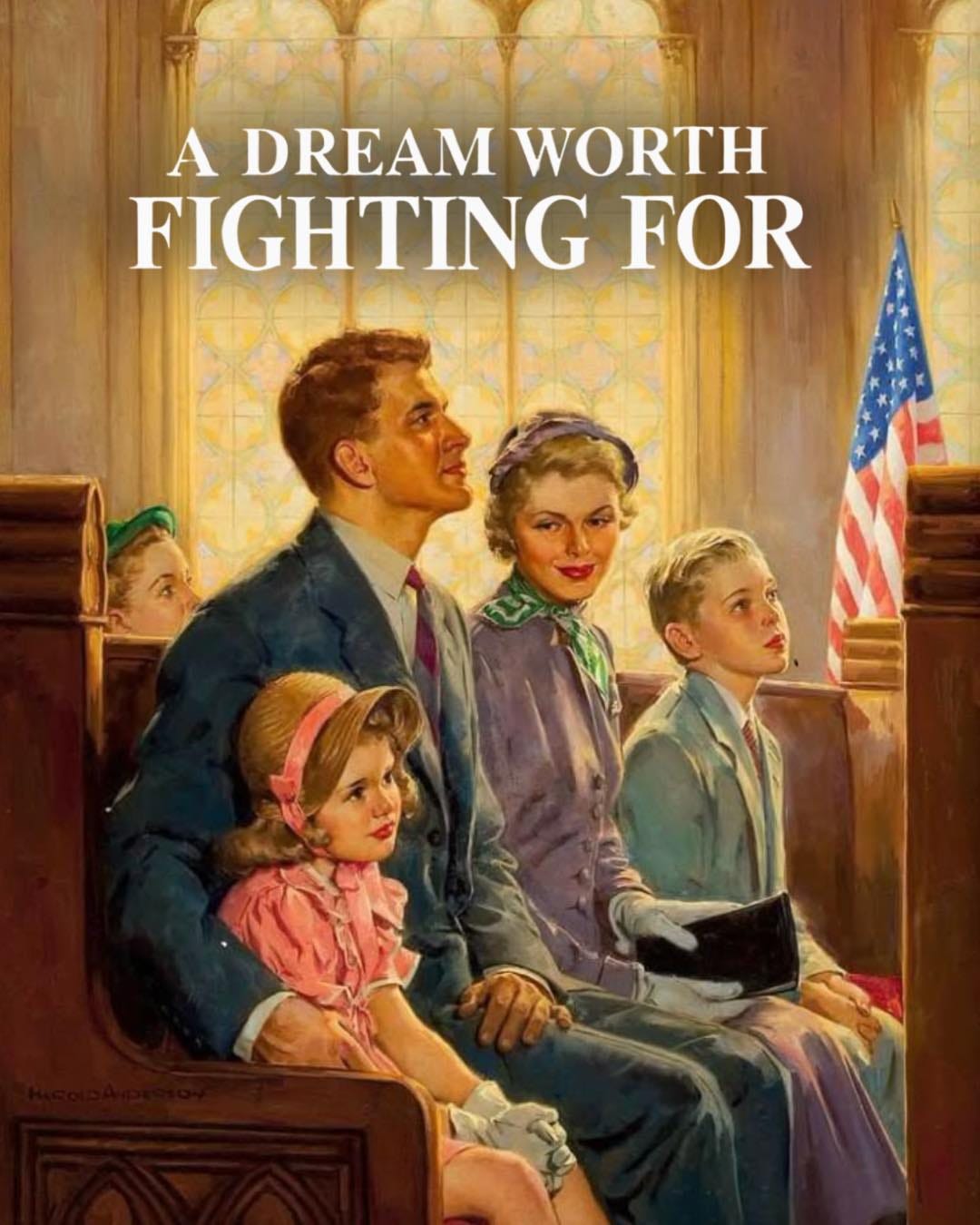
Will Trump’s social norms campaign be taking us back to the 80’s?

As a prevention strategy, mass media campaigns on their own have limited impact on behavior change. Campaigns such as SAMHSA’s “Talk, They Hear You” have impact because they are built out, and utilize community-level prevention infrastructure for mobilization and dissemination. In other words, it isn’t just a poster or a billboard, it’s leveraged with on-the-ground prevention programming and services. Again, given that the administration is proposing to slash the Drug Free Communities coalition program, it seems unlikely this is part of the plan, at least, not in a way that would be effective.
Aside from this issue of infrastructure and intention, I am highly suspicious about what the messaging of this proposed social norms campaign will look like. Much of the imagery in social-media posts from federal agencies have been steeped in nationalism, and increasingly, strong Christian themes. This trend, coupled with the administration’s anathema for anything hinting at DEI, suggests the social norms campaign could be only for some Americans.
I think in the end it will depend on who the administration tasks with creating this campaign. There are still very talented people at SAMHSA who understand prevention science and could create a great campaign and implementation program if left alone. If, however, it goes to the same folks responsible for the RFK & Kid Rock, um, exercise? campaign…yikes!
It is worth noting that there actually is a legitimate, evidence-informed prevention approach built around social norms messaging. Prevention professionals have been using Positive Social Norms and Positive Community Norms approaches for decades. But importantly, these approaches are not rooted in fear, shame, stigma, or moral panic. They are rooted in correcting misperceptions and reinforcing healthy behaviors that are already occurring within communities.
Professional Perseverance
And honestly, that is what makes all of this so frustrating and frankly enraging. Prevention professionals already know how to do this work, and do it well. It’s cliche, but we just need the politicians to get out of the way. That said, ultimately I have hope that as a field we will find our way through this time of chaos and uncertainty. Our field is rooted in evidence, lived experience, and a genuine desire to serve our communities.
We know what works.
And we will continue finding ways to do this work.
Ultimately, that is what we celebrate this year during National Prevention Week. The hardworking individuals from all corners of life, serving communities from coast to coast. Nobody comes into prevention to get rich. We came into these roles because we believe our communities deserve better.
The year 2026 marks my 20th year in the field. I continue to be impressed and humbled to be amidst such an amazing workforce. To all my fellow preventionists reading this article, I wish you a very happy National Prevention Week, and thank you for everything you continue to do for your communities, and our country.
See you in the next one!
Scott, The Radical Preventionist